Introduction
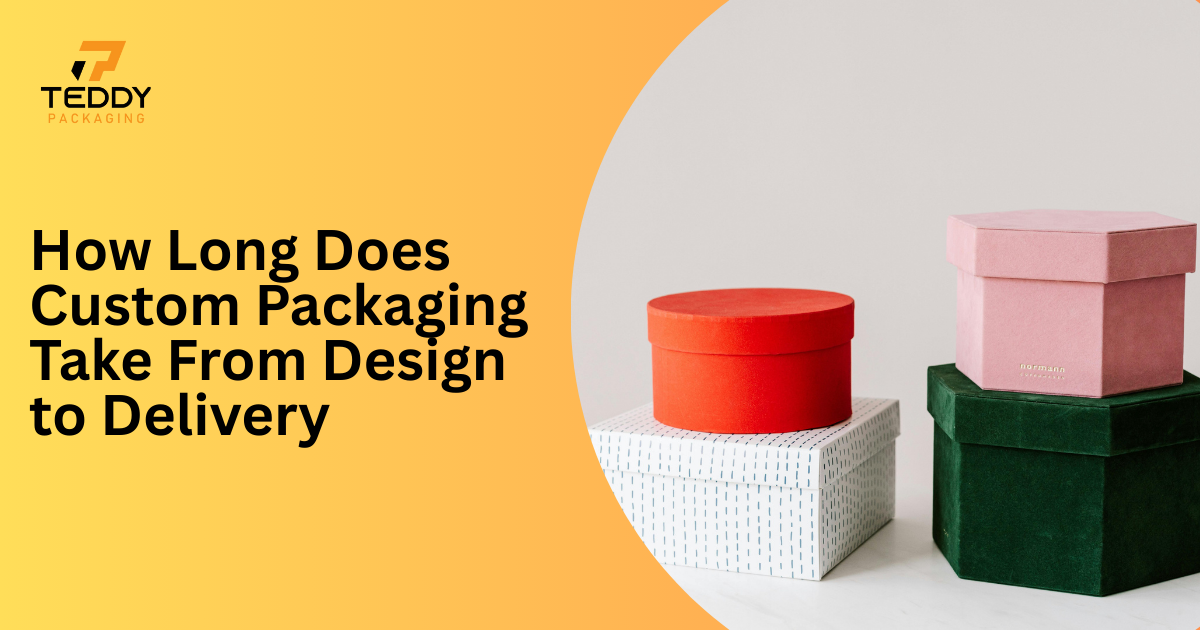
For UK businesses planning product launches, seasonal campaigns, or restocks, packaging timelines matter more than most people realise. Custom packaging boxes are often assumed to take too long, leading some brands to delay decisions or settle for standard packaging boxes that do not fit their needs. The truth is that custom packaging follows a clear and predictable process when handled correctly. From initial discussions to final delivery, each stage plays a role in determining how long the process takes. Understanding this timeline helps businesses avoid delays, plan stock levels better, and work more confidently with packaging suppliers.
1. Understanding the Full Custom Packaging Journey
Custom packaging is not a single-step order; it is a sequence of stages that build on each other. Businesses that understand this journey are less likely to experience frustration or unexpected delays.
Each stage has a purpose, and skipping one usually causes problems later.
• Initial consultation and requirement analysis
• Structural and visual design development
• Material and board selection
• Sampling and approval
• Production and finishing
• Delivery and logistics
Knowing the full process allows UK businesses to plan timelines realistically instead of guessing.
2. Initial Consultation and Requirement Planning
The first stage sets the foundation for everything that follows. During consultation, packaging suppliers gather information that directly affects timing and accuracy.
Many delays happen because businesses rush this stage or provide incomplete details.
• Exact product dimensions and weight
• Expected order quantities
• Shipping method and delivery destinations
• Storage conditions and shelf life
• Branding goals and budget expectations
Clear communication at this stage reduces revisions and keeps the project moving smoothly.
3. Design and Artwork Development Timeline
Once requirements are clear, the design phase begins. This includes both the physical box structure and the printed artwork that appears on it.
The complexity of the design heavily influences how long this stage takes.
• Simple box styles progress faster
• Custom shapes require structural testing
• Artwork readiness affects speed
• Brand approvals can add waiting time
For most UK businesses, this stage can take anywhere from a few days to a couple of weeks, depending on feedback speed.
4. Material Selection and Engineering Decisions
Material selection is not just about cost; it directly affects durability, performance, and production time. Packaging engineers consider how the box will behave during storage and delivery.
Poor material choices can cause failures later, forcing redesigns.
• Corrugated strength matched to product weight
• Board thickness based on stacking needs
• Compatibility with printing and finishes
• Sustainability and recycling requirements
Thoughtful material selection prevents delays caused by structural issues during production.
5. Sampling and Prototype Approval Process
Sampling is one of the most time-consuming but valuable stages in custom packaging. It allows businesses to physically test the box before full production.
Rushing or skipping this stage often leads to expensive mistakes.
• Checking product fit and protection
• Reviewing print quality and colours
• Testing ease of assembly
• Assessing overall presentation
Samples give UK businesses confidence that the final packaging boxes will perform as expected.
6. Production Lead Time and Capacity Factors
Once samples are approved, full production begins. This stage usually takes the longest and depends on several operational factors.
Production timelines vary based on order size and complexity.
• Larger quantities require longer runs
• Special finishes add processing steps
• Printing method affects speed
• Factory workload and seasonal demand
Working with UK-based manufacturers often shortens production lead times compared to overseas suppliers.
7. Quality Control and Finishing Stages
Before packaging boxes are shipped, quality checks ensure consistency and durability. Finishing processes also add value but require additional time.
This stage protects businesses from receiving defective packaging.
• Inspection of cuts and folds
• Checking glue strength and alignment
• Reviewing print clarity and finish
• Final packing for transport
Strong quality control reduces the risk of delays caused by returns or reprints.
8. Delivery Timeframes Across the UK
Delivery is the final stage and is often more predictable when working with UK suppliers. Domestic delivery avoids customs delays and long transit times.
Delivery timing depends on order size and destination.
• Pallet delivery for bulk orders
• Courier delivery for smaller quantities
• Scheduled deliveries for warehouses
• Faster turnaround within mainland UK
Local delivery helps businesses meet launch dates and restocking schedules more reliably.
9. Common Reasons Custom Packaging Timelines Get Delayed
Delays are usually caused by process issues rather than manufacturing limitations. Many of these delays are avoidable with better planning.
Understanding these risks helps businesses stay on schedule.
• Late artwork submissions
• Multiple approval revisions
• Changes after sample approval
• Poor communication with suppliers
Proactive planning and fast feedback significantly reduce timeline disruptions.
10. Choosing a Packaging Partner That Keeps Timelines Realistic
The biggest factor in how long custom packaging takes is the supplier you choose. Experienced partners guide businesses through each stage efficiently.
UK-based suppliers understand local expectations and logistics.
• Clear timelines and project guidance
• In-house design and production support
• Faster communication and revisions
• Reliable UK-wide delivery
The businesses which are looking for dependable custom packaging boxes can explore options at Teddy Packaging for smoother timelines from design to delivery.
FAQs
Q1. How long does custom packaging usually take in the UK?
Custom packaging typically takes a few weeks from design to delivery, depending on design complexity, approvals, and order size.
Q2. Does custom packaging always take longer than standard boxes?
Yes, but the extra time allows for better fit, stronger protection, and improved branding, which often saves time later by reducing issues.
Q3. What part of the process takes the longest?
Production usually takes the most time, especially for larger quantities or boxes with special finishes.
Q4. Can the timeline be shortened if I need packaging urgently?
In some cases, yes. Clear requirements, fast approvals, and working with a UK supplier can speed things up.
Q5. Why are samples important in custom packaging?
Samples help verify fit, strength, and print quality before full production, preventing costly mistakes.
Q6. Does choosing eco-friendly materials affect timelines?
It can slightly increase planning time, but most UK suppliers are well-equipped to handle sustainable materials efficiently.
Q7. Are UK packaging suppliers faster than overseas ones?
Generally yes. UK suppliers avoid customs delays and offer quicker communication and delivery.
Q8. How can businesses avoid delays in custom packaging orders?
Providing accurate information, approving designs quickly, and avoiding late changes help keep timelines on track.
Final Thoughts
Custom packaging does not need to be slow or unpredictable. When UK businesses understand the full process, from planning and design to production and delivery, timelines become easier to manage. Most delays happen due to rushed decisions, late approvals, or unclear requirements rather than the packaging process itself.
By working with experienced UK suppliers, planning, and allowing time for proper sampling and quality checks, businesses can receive custom packaging boxes that are reliable, well-designed, and delivered on schedule. Custom packaging is an investment in product protection and brand presentation, and when managed correctly, it supports long-term growth rather than slowing it down.